Massage chairs are furniture-scale purchases that arrive freight. The most common ownership complaint is not about the massage at all - it is a chair that barely made it through the door, or a recline that hits the wall. Every number you need is on the listing; you just have to check it against your home.
The four measurements that matter
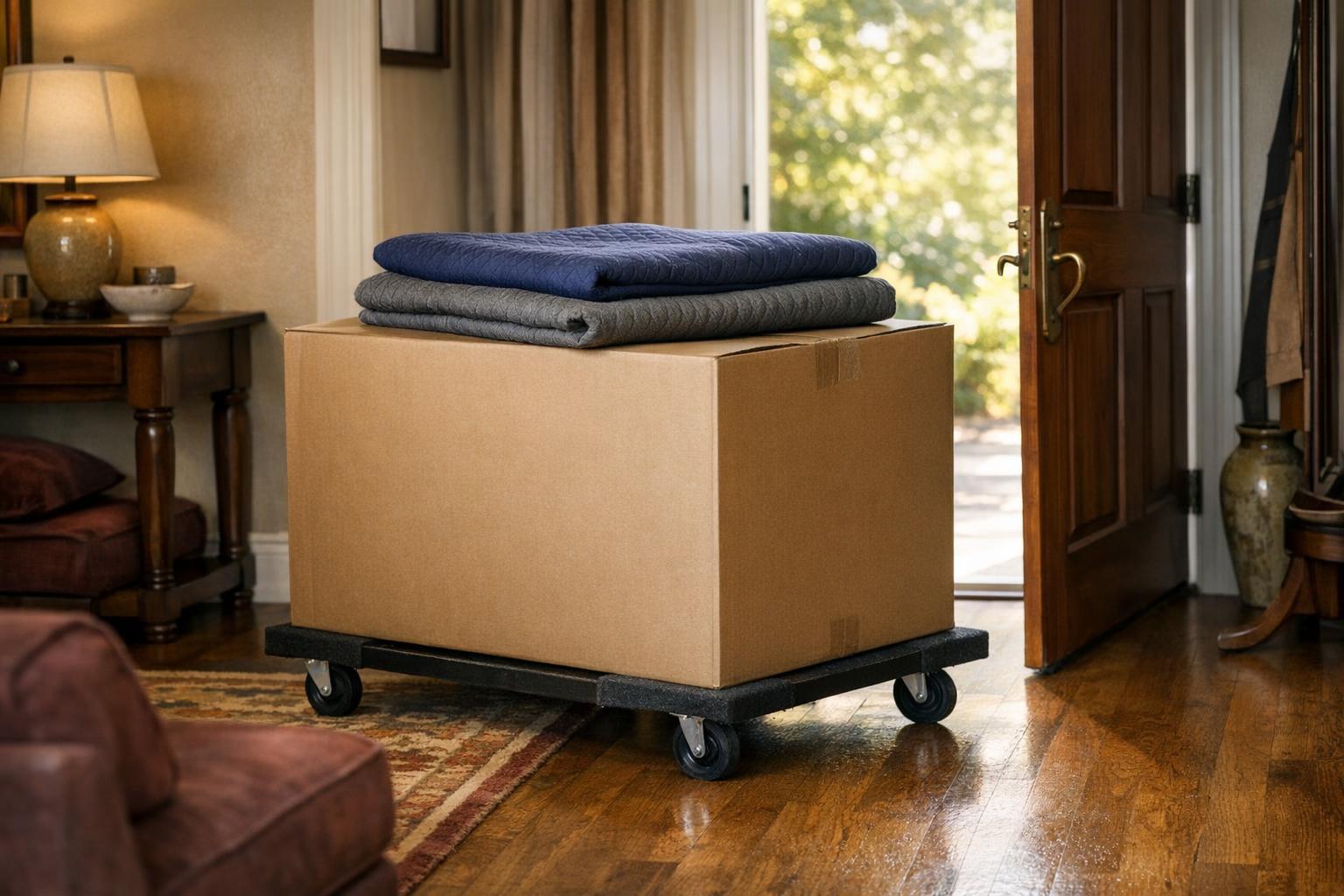
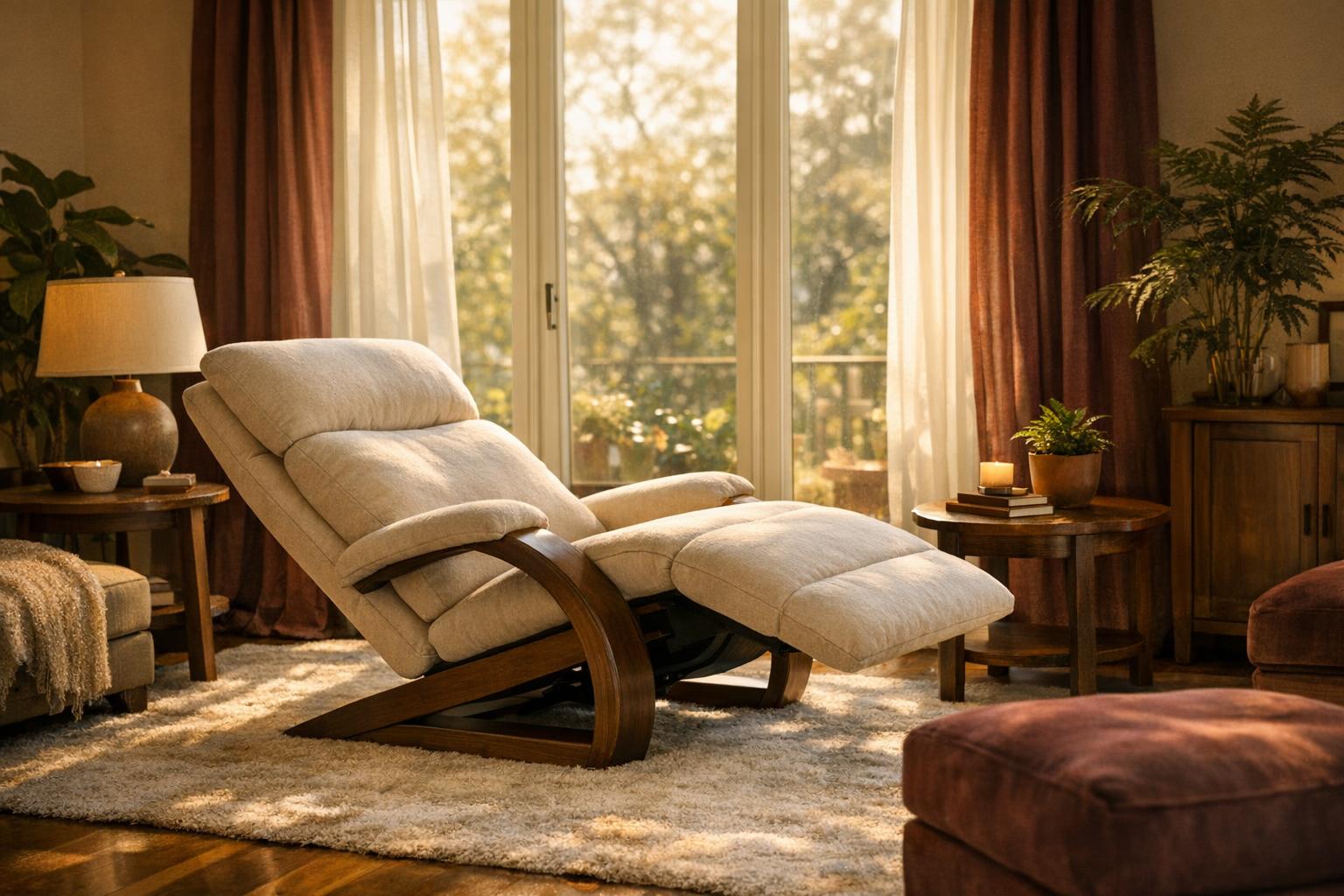
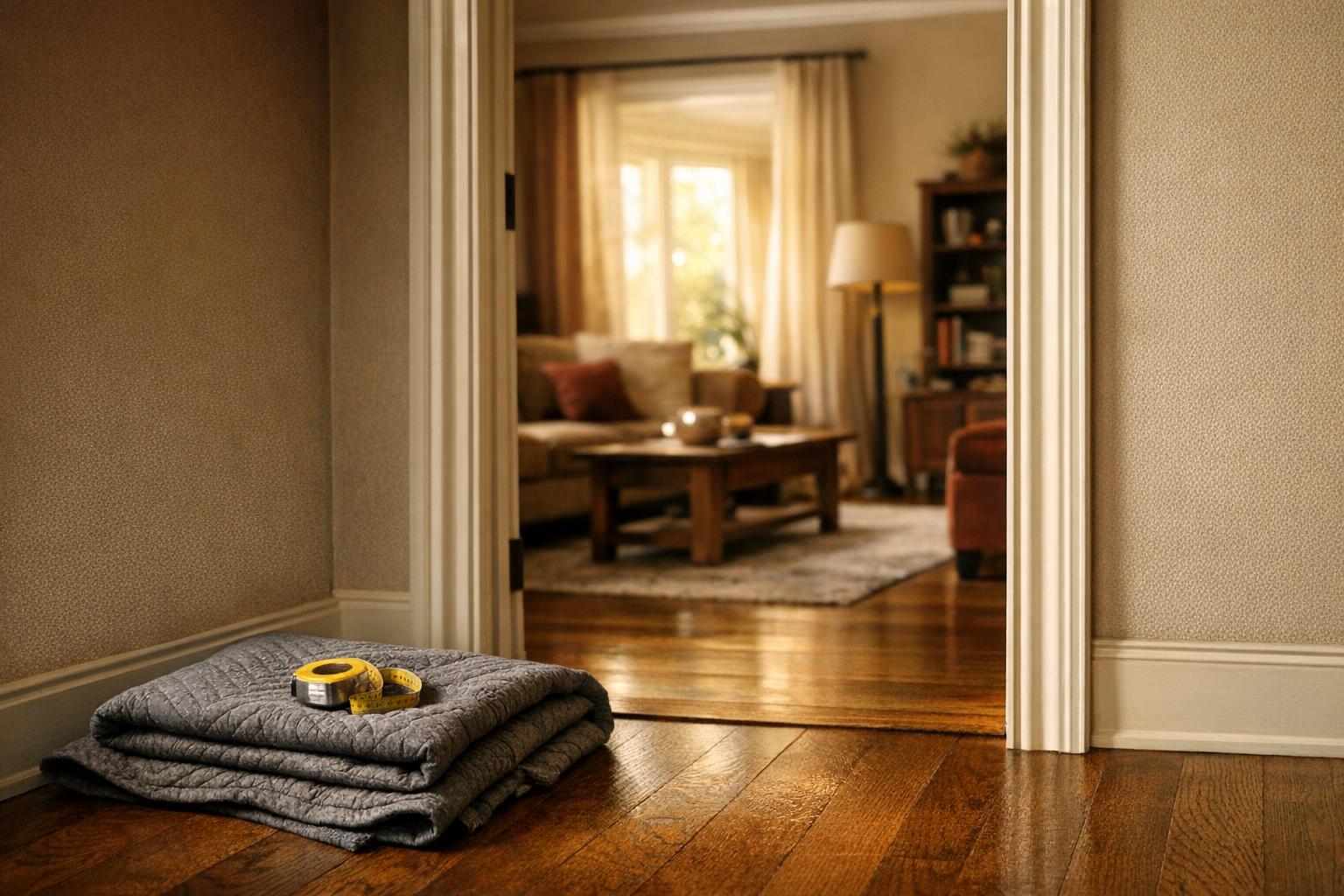
First, the narrowest doorway or stair turn on the delivery path - compare it against the listing's stated carton or assembled width. Second, the upright footprint. Third, the fully reclined length, which for zero-gravity presets can exceed the upright depth by two feet or more; see the zero-gravity guide for how that geometry works. Fourth, the stated wall clearance - some chairs advertise a space-saving slide that needs only a few inches; others need a foot or more behind the backrest.
Write all four numbers down before comparing listings, since a chair with excellent specs elsewhere is not a candidate if the crate cannot reach the room or the recline cannot clear the wall.
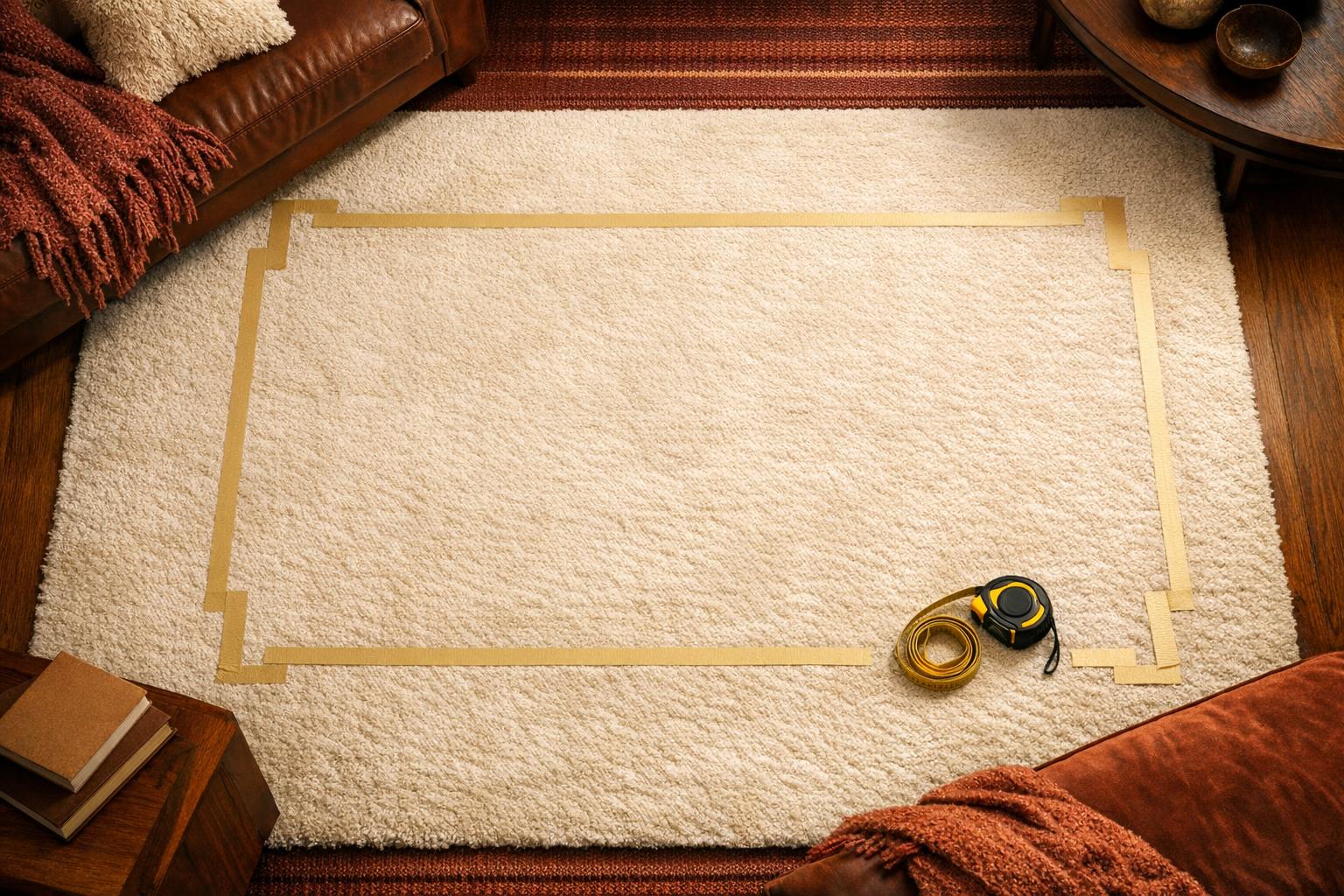
Mark the floor before the crate arrives
Painter's tape on the floor, cut to the listed reclined footprint, settles the question in a minute. Add the clearance to stand up on the footrest side and room to reach the power cord. A wall outlet on the same wall as the chair avoids running cable across a walking path.
It also helps to mark the upright footprint separately from the reclined one, since day-to-day the chair usually sits upright and only occupies the larger footprint during use - two markings show you both the permanent floor claim and the temporary one.
When the numbers are missing
Some listings omit reclined dimensions entirely. Our score does not penalize your room for a seller's silence, but you should: ask the seller a question on the listing page or pick a chair that documents its own geometry. A listing that states its dimensions clearly tends to be a listing you can trust on other terms too.
If a listing states only assembled dimensions and not shipping-carton dimensions, remember the carton is usually larger in at least one direction - factor a margin into your doorway measurement rather than assuming the assembled width is the number that has to fit through the door.
Floor loading and surface considerations
A full-body chair's stated weight, distributed across a relatively small footprint of feet or a base plate, is worth checking against the flooring you plan to place it on. Listings sometimes note a recommended flat, hard surface or a minimum ceiling height for the fully upright backrest; both figures matter more in finished basements or upper floors with lighter joist construction than they do at ground level.
Consider the swing radius of the armrests and control panel as well as the recline path - several listings note that the side control panel or armrest console extends outward on the way into a zero-gravity position, which can matter next to a side table or a second seat.
A short pre-order measurement checklist
Before adding a chair to cart, it is worth running through a short written checklist: doorway and hallway clearances measured against stated carton width; upright footprint against your intended spot; fully reclined length and wall clearance against the space behind the chair, as discussed in the zero-gravity guide; floor surface and ceiling height; and outlet location. Running the same checklist for every listing in your shortlist, from the buying guide, keeps the comparison consistent rather than favoring whichever chair you measured most carefully.
If any single number is missing from a listing, treat that gap the same way across every candidate chair rather than assuming the missing figure would have favored the listing - ask the seller directly, or move on to a listing that documents its own dimensions in full.
Fitting a chair into a multi-purpose room
Many buyers place a massage chair in a room that also serves another purpose - a home office, a media room, a guest bedroom. In that setting, it helps to measure both the chair's footprint and the clearance needed by whatever else shares the room, such as a desk chair swing radius or a walking path to a closet, rather than measuring the massage chair in isolation. Noting where the power outlet sits relative to both uses of the room also avoids an extension cord crossing a walkway, which several listings' own safety notes advise against.
If the room will double as a guest space, check the listing for a stated stowed or folded profile in addition to the upright footprint, since some chairs advertise a reduced-depth mode against the wall when not reclined that can free up floor space for other furniture.