Nearly every chair in this catalog is upholstered in PU (synthetic) leather or a bonded fabric, and every manufacturer publishes care instructions for it. Following the manual is not fussiness - upholstery condition is the most visible part of the chair's ageing, and the part warranties scrutinize most.
Routine cleaning per the typical manual
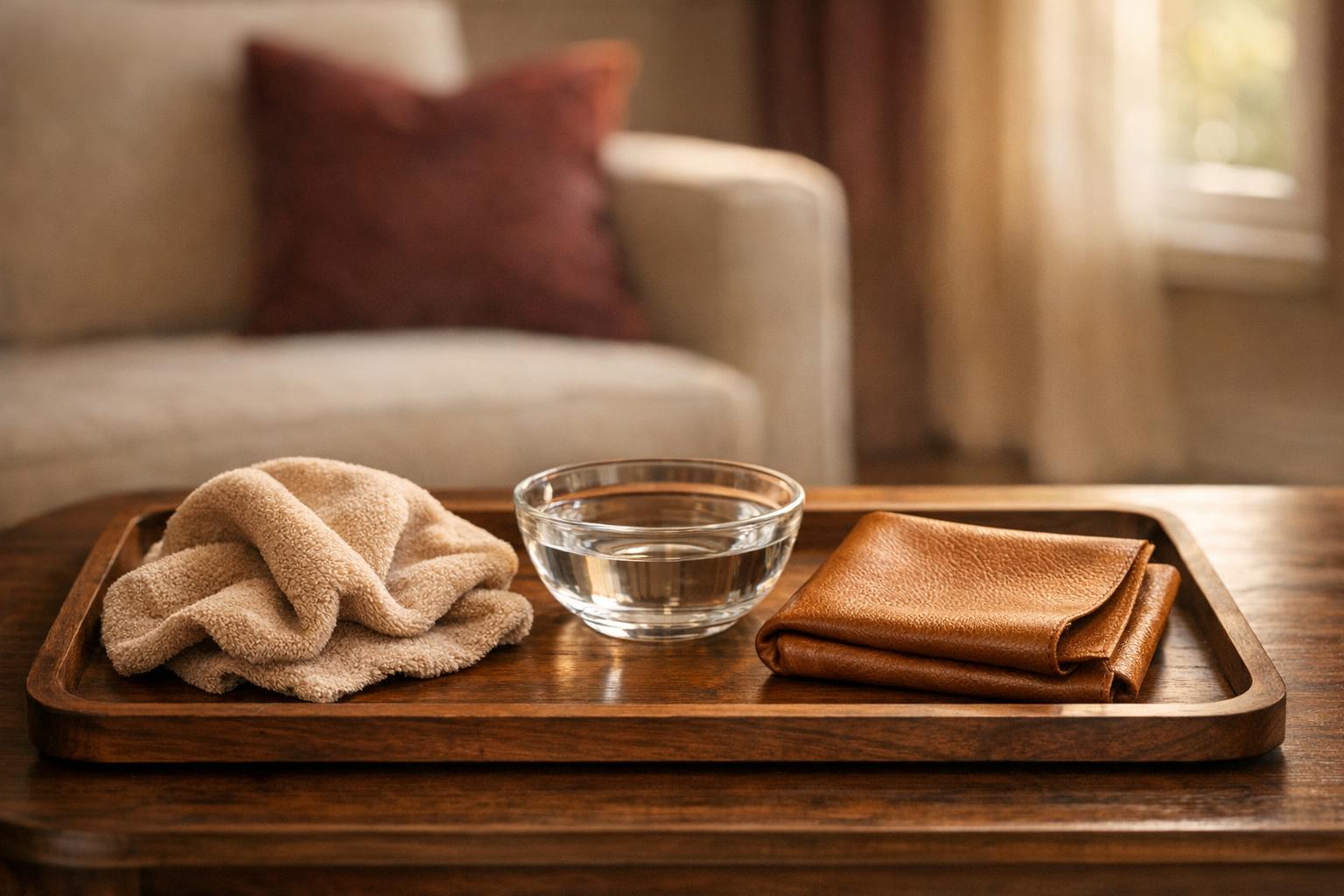
Manufacturer instructions usually converge on the same routine: a soft, slightly damp cloth, mild soap at most, dried immediately, and nothing solvent-based - no alcohol wipes, no ammonia cleaners, no abrasives. Your chair's own manual overrides anything generic, including this article.
A light, regular wipe-down on a fixed schedule tends to require less effort overall than infrequent deep cleaning, since dust and oils are easier to remove before they settle into the surface texture of PU leather.
Placement decisions that protect the surface
Direct sunlight and heat sources age synthetic leather fastest; manuals commonly instruct placement away from windows with long sun exposure and away from radiators. The recline clearance you planned in the room fit guide also keeps the backrest from rubbing a wall - a slow abrasion that shows up as a worn stripe.
Rooms with large temperature swings, such as an uninsulated sunroom or an unconditioned garage, are also worth avoiding for long-term placement, since manuals frequently note that repeated expansion and contraction of synthetic upholstery can accelerate cracking at seams and fold lines.
Covers and small repairs
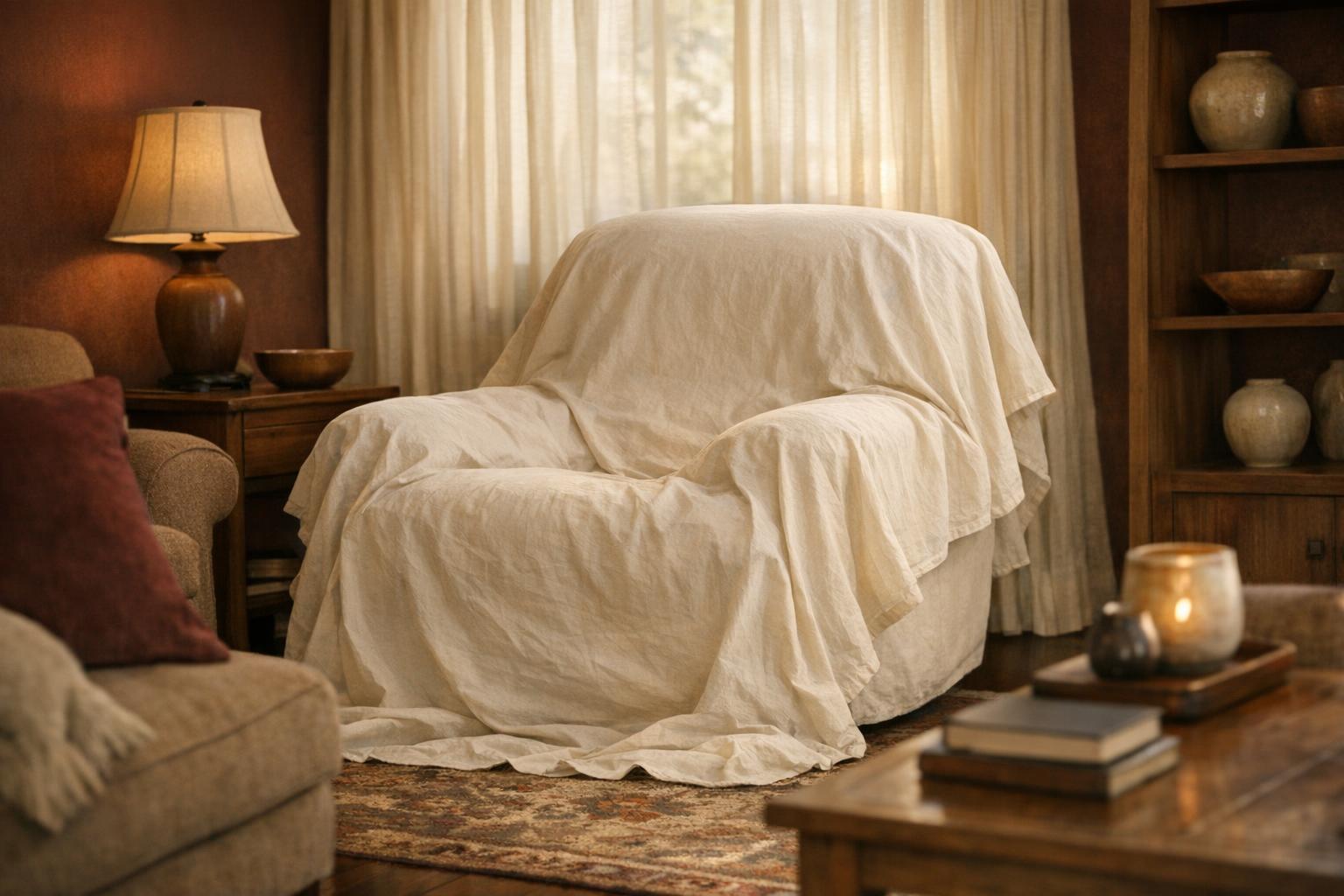
Fitted covers for headrest and armrest contact points are inexpensive and reversible - our covers and accessories collection lists options; check the exact model compatibility named in each listing before buying. For tears or peeling, contact the manufacturer with photos first: some panels are user-replaceable and listed as parts.
Keeping the original purchase documentation and any warranty registration confirmation makes a parts request faster, since manufacturers commonly ask for a model number and purchase date before shipping a replacement panel - the same records covered in the warranty checklist.
Cleaning schedule and everyday habits
Beyond the periodic wipe-down, small daily habits protect upholstery further: removing keys, phones or anything with sharp edges from pockets before sitting, and keeping pets off the headrest and armrests where a manual specifically advises it. Some manuals also note that direct contact with newsprint or dark, non-colorfast fabrics can transfer dye onto lighter PU leather over time.
If the chair sees heavy daily use, checking the manual for a recommended interval to inspect seams and fold points - rather than waiting for a visible tear - is a low-effort way to catch wear early enough that a small panel replacement, rather than a full reupholster, resolves it.
Fabric variants and their own instructions
A smaller share of listings offer a fabric rather than PU leather surface, and fabric manuals typically state a different cleaning approach - often a fabric-rated upholstery cleaner rather than the damp-cloth method used for synthetic leather, along with a caution against soaking the material. Check the listing's material specification before assuming the PU leather routine applies, since using the wrong cleaning method on the wrong material is a common and avoidable cause of premature wear.
Whichever surface material a chair uses, the delivery-day inspection covered in the delivery and assembly guide is a good first opportunity to note the as-received condition of the upholstery, which gives you a baseline to compare against later if a warranty question ever comes up.
Documenting condition over the ownership period
Beyond the delivery-day photographs, taking a few reference photographs of the upholstery every several months creates a simple record of how the surface is ageing under your own use pattern and cleaning routine. This is not a substitute for reading the manual, but it does make it much easier to tell whether a change in the surface is gradual, expected wear or a sudden issue worth raising with the manufacturer under the terms in the warranty checklist.
Consistent, manual-following care is the single largest factor within your control for how the upholstery looks several years into ownership - more so than the specific brand of cleaner used, as long as the cleaner stays within what the manufacturer's instructions allow. Treat the manual as the final authority whenever it and any general advice, including this article, appear to disagree.
Photograph the upholstery at delivery, before removing any protective film, and keep those images alongside the receipt and the warranty document. A dated record makes a later warranty or freight-damage claim far faster to process, since the seller can compare the current surface against a known starting condition instead of relying on memory or an unverifiable description.